Why Choosing Paint Colours First Often Leads to Regret (and What to Do Instead)
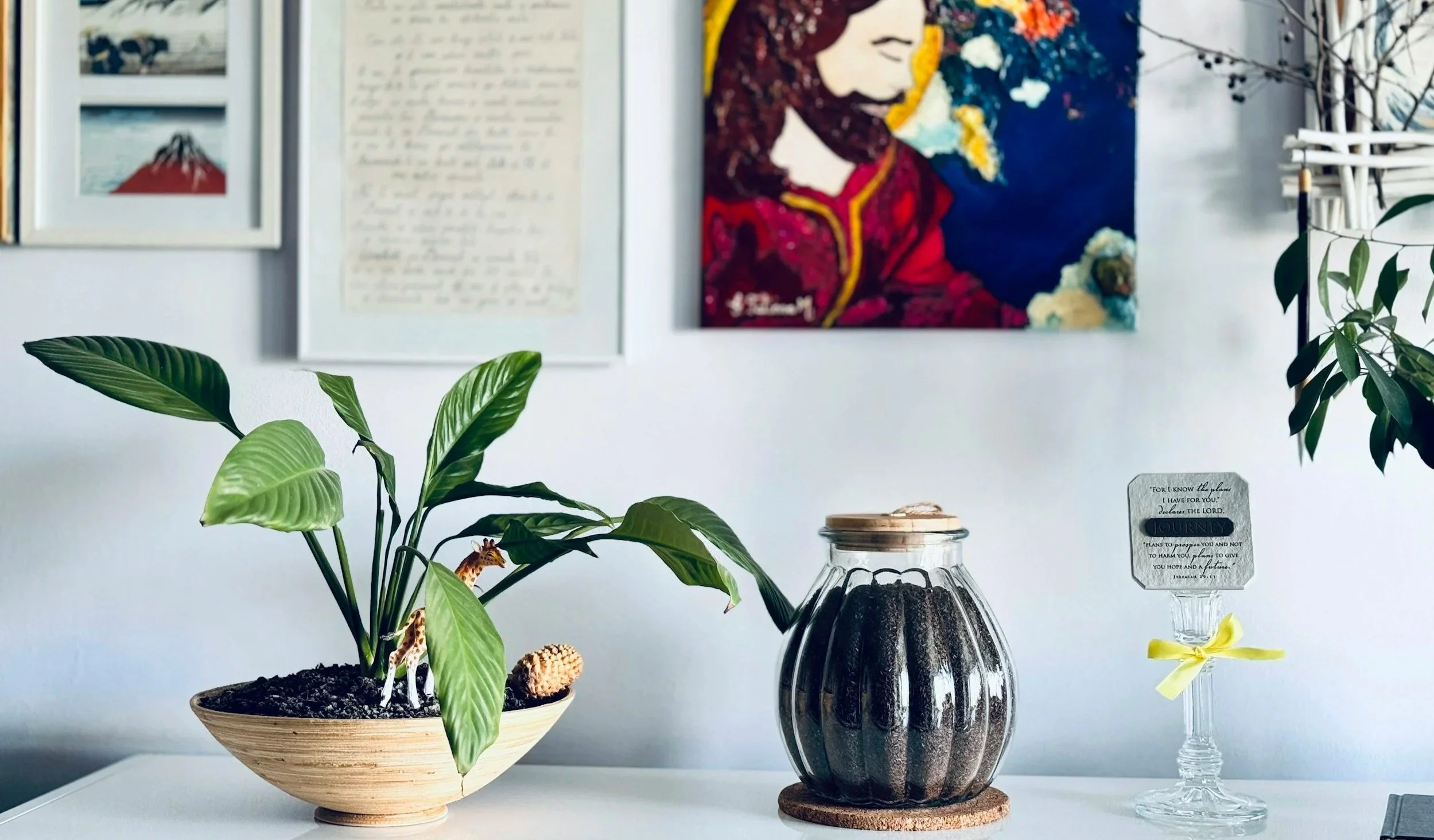
Image by Grafi Jeremiah via Unsplash
Choosing paint colours is often the first step people take when decorating or renovating. Paint feels easy to change, it’s exciting, relatively affordable, and like a simple way to refresh your home. But starting with paint is also one of the most common reasons people end up regretting their colour choices later on.
Not because the paint colour itself is wrong, but because paint is meant to work with your flooring, cabinets, furniture, and fixed finishes, not be chosen before them. When paint comes first, every other decision has to adapt to it, which often leads to clashing undertones, awkward combinations, and that frustrating feeling that something just isn’t quite right.
In this post, I’ll explain why choosing paint colours first so often leads to regret, and what to do instead if you want your home to feel cohesive, calm, and easy to decorate.
The Real Problem: Paint Has to Work With Everything Else
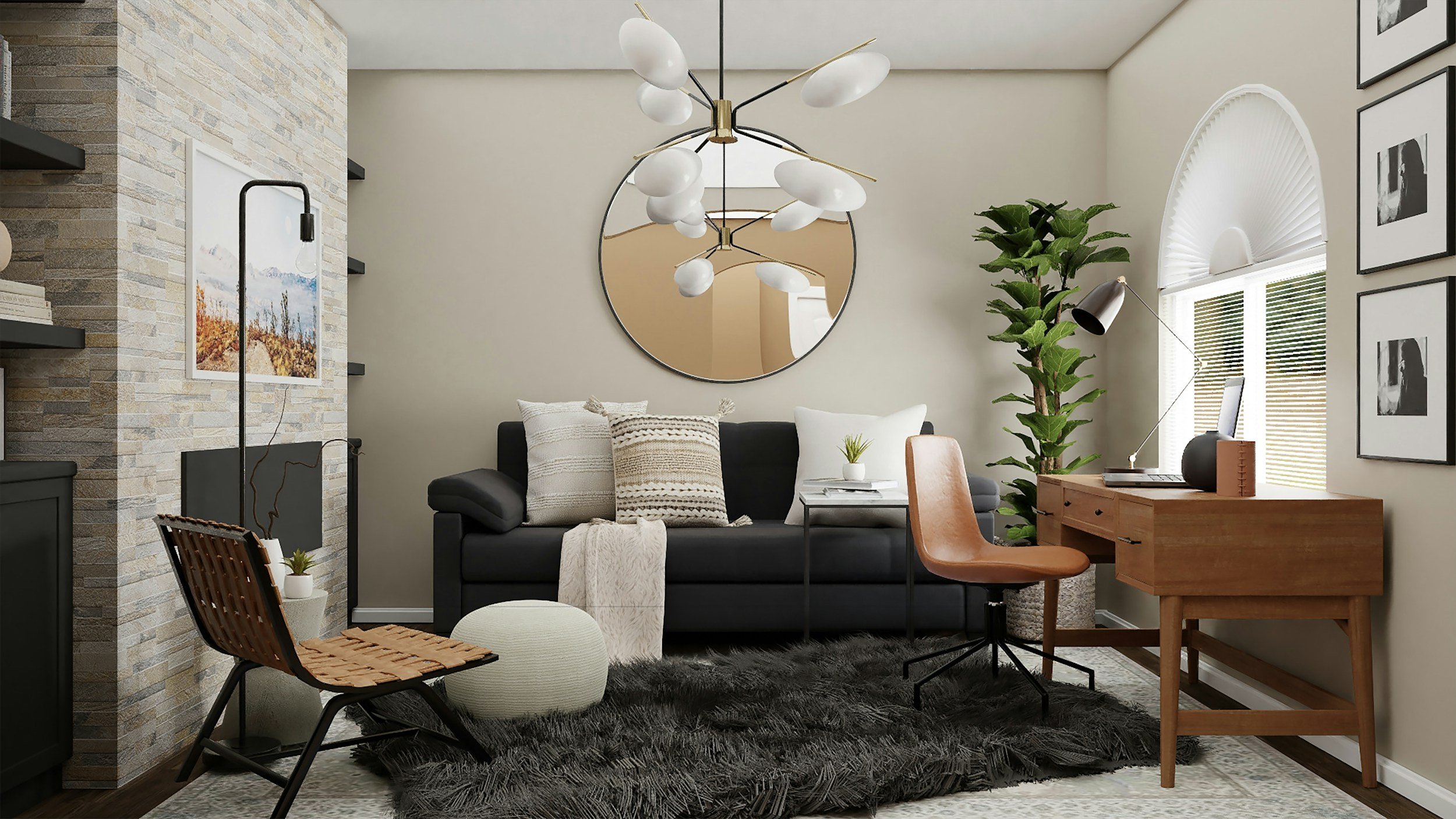
Photo by Spacejoy via Unsplash
One of the biggest misunderstandings about paint colours is that they’re chosen on their own, separate from the rest of the home. In reality, paint is one of the most reactive elements in a space. It constantly reflects and responds to what’s around it, from your flooring and cabinetry to your furniture, fabrics, and even the quality of your lighting. That’s why the same paint colour can look warm and cosy in one home, but slightly grey, pink, or yellow in another. It isn’t just the colour itself that matters, it’s what that colour is sitting next to.
When you choose paint first, before considering things like timber tones, tiles, benchtops, and large furniture, you’re choosing without the full picture. And later, when those other elements are added in, the paint can suddenly feel “off”, even if it looked perfect on the swatch or in the sample pot. This is where a lot of paint regret comes from. Not from bad choices, but from incomplete ones.
Instead of thinking of paint as the starting point, it helps to think of it as the connecting layer; the element that ties together all the other colours and finishes in your home. When paint is chosen last (or at least chosen with those other elements in mind), it has a much better chance of doing what it’s meant to do: make the space look put-together thoughtfully.
Why Paint Often Looks Different Once the Room Is Finished
Another reason choosing paint colours first leads to regret is that paint rarely looks the same once a room is fully furnished and lived in. A colour that feels soft and balanced on a sample board or in an empty space can shift quite a lot once flooring, furniture, window coverings, and décor are added. This is because paint is highly influenced by its surroundings. It reflects the colours and undertones of whatever is nearby; timber floors can add warmth, grey tiles can pull out cool tones, and even large pieces of furniture can subtly change how a wall colour reads depending on the type of timber.
Lighting plays a big role too. Natural light changes throughout the day - cooler and indirect in north-facing rooms and warmer and golden in south-facing rooms (or vice versa if you are living in a country in the Southern Hemisphere like Australia or New Zealand). Artificial lighting too plays its part in how a colour looks, depending on the type of light bulbs you use - it can warm up or dull a colour even more. So a paint colour that felt perfect at midday might feel heavier, cooler, or more yellow at night.
When paint is chosen before these other elements are in place, it’s almost impossible to predict how it will truly look long term. And that’s often when doubt starts to creep in; not because the colour is bad, but because it’s reacting to a space that wasn’t fully considered yet.
This is also why repainting over and over doesn’t always fix the problem. If the surrounding finishes and furnishings stay the same, each new colour is still reacting to the same environment. The solution usually isn’t another paint colour, it’s choosing paint that’s designed to work with what’s already there.
The Trap: You End Up Designing Around the Paint
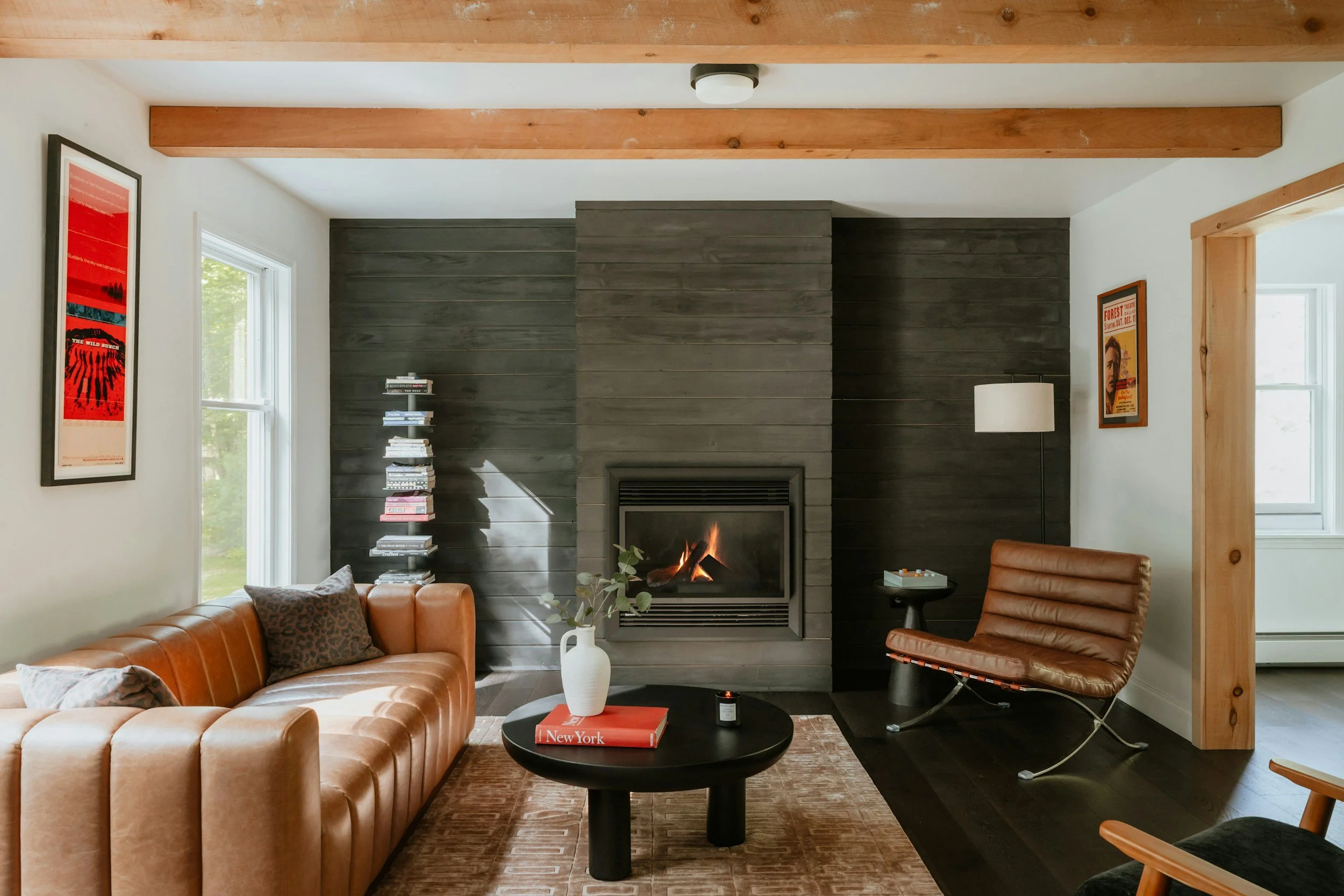
Photo by Clay Banks via Unsplash
When paint is chosen first, it often becomes the thing every other decision has to work around. Instead of choosing furniture, rugs, or finishes you truly love, you start filtering options based on whether they’ll “go with the wall colour.” This is where decorating can start to feel restrictive instead of creative. You might pass on a sofa that’s perfect for your lifestyle, or a rug you love, simply because it clashes slightly with the paint, even though the paint would have been much easier to change than those larger pieces.
Over time, this can leave your home feeling a bit mismatched or unfinished, not because the pieces are wrong, but because they were chosen to accommodate the walls instead of the other way around.
Paint works best when it supports your home, not when it dictates it.
The Right Order for Choosing Colours in Your Home
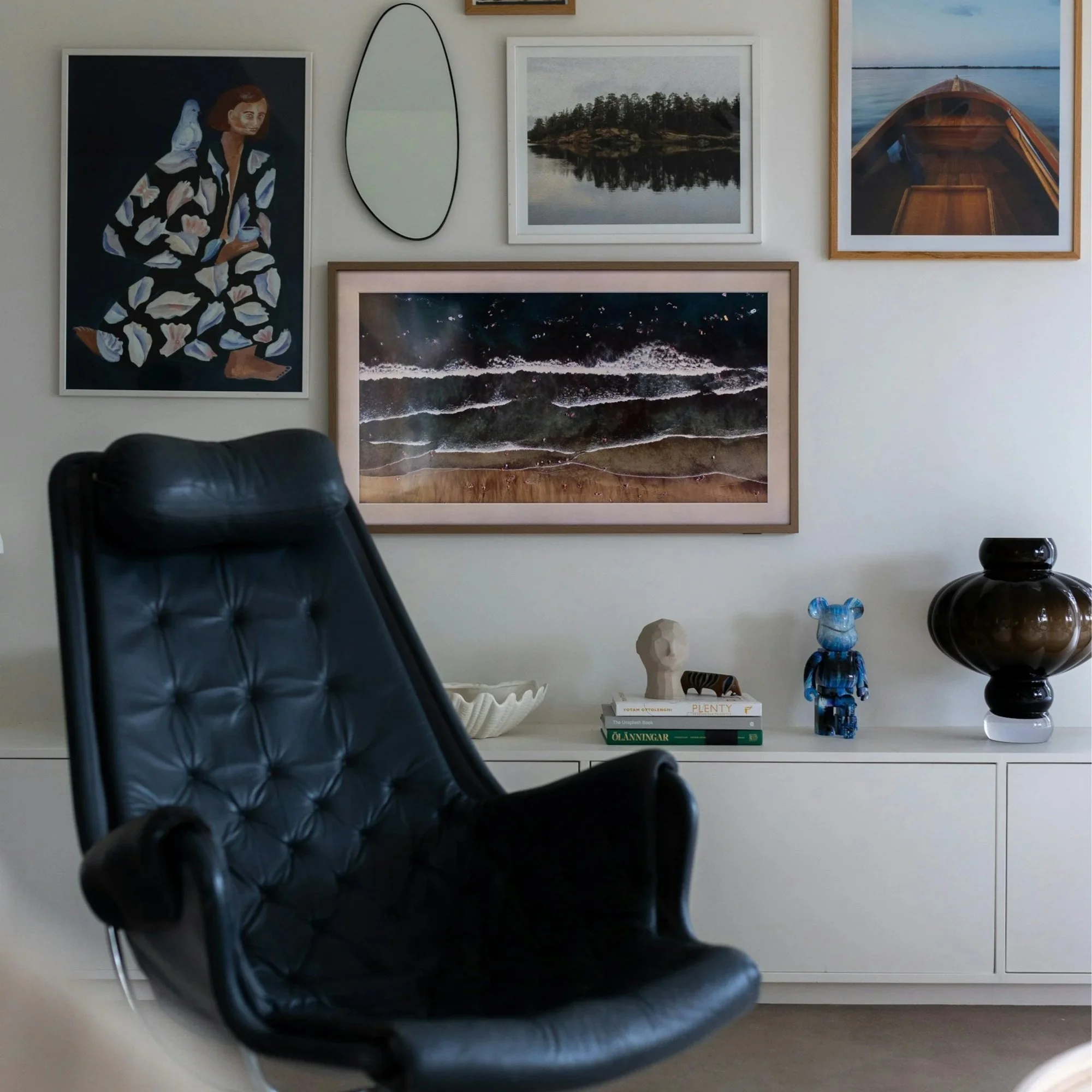
Photo by Jon Flobrant via Unsplash
If choosing paint first so often leads to frustration, what should you start with instead? A much easier and more reliable approach is to begin with the elements in your home that are hardest (or most expensive) to change, and then choose paint to support them.
Start with your fixed finishes and “unchangeables”
These are things like your flooring, benchtop, splashbacks, tiles, kitchen cabinets, or large built-ins. These elements usually have strong undertones and set the overall warmth or coolness of your space. Because they’re not quick or cheap to replace, they should always be the foundation of your colour decisions.
Then consider your large furniture and rugs
Next, think about the sofa and armchairs, dining table, feature rugs, bed frames, and other large furniture pieces. These items take up a lot of visual space and play a big role in the mood and style of your home. Whether they lean warm, cool, light, or dark will influence what wall colours will feel balanced and cohesive.
Choose paint last, as the connecting layer
Once those larger elements are considered, paint becomes much easier to choose. Instead of trying to make everything else fit around the walls, you can select paint colours that balance the undertones already in the space, support your furniture and finishes, and create flow from room to room. This is where paint really shines; not as the starting point, but as the finishing layer that brings everything together and makes the whole home feel intentional.
When you follow this order, paint stops feeling stressful and starts doing what it’s meant to do: quietly support the rest of your home instead of competing with it.
If you’d like help choosing colours in the right order, my Home Paint Colour Blueprint teaches you how to build a whole-house palette based on your existing finishes and furniture, so your paint colours support your home instead of competing with it.
You can explore the Blueprint HERE
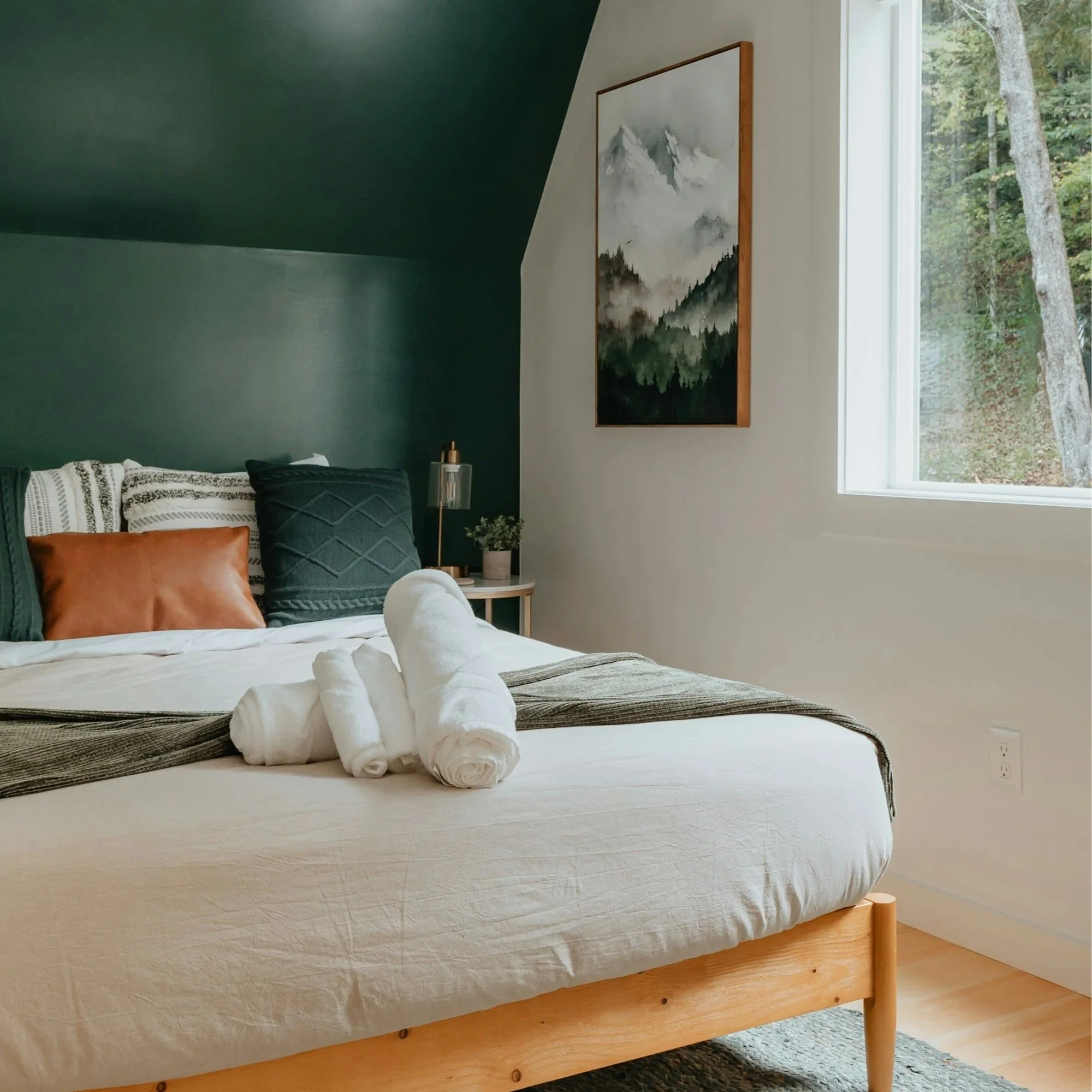
Photo by Clay Banks via Unsplash
What If You’re Only Repainting?
You might be thinking, “This all makes sense, but I’m not renovating, I just want to update the paint colour”. And that’s completely fair. Not every project involves new floors, cabinets, or furniture. But even when you’re only repainting, the same principle still applies: your existing finishes and furnishings become your starting point.
Your current flooring, benchtops, tiles, timber tones, and large furniture pieces are still influencing how paint will look on your walls. So instead of choosing a colour you love in isolation, it’s far more helpful to choose a colour that works with what’s already there. This might mean:
Noticing whether your home leans warm or cool overall
Paying attention to undertones in your flooring and fixed finishes
Choosing paint that balances and supports those tones, rather than fighting them
When you approach repainting this way, paint becomes a tool for improving what you already have, instead of something you hope will magically fix a space that feels off. Even small paint updates can make a big difference, as long as the colour is chosen with the full room (and the full home) in mind.
How Whole-House Colour Planning Helps You Avoid Regret
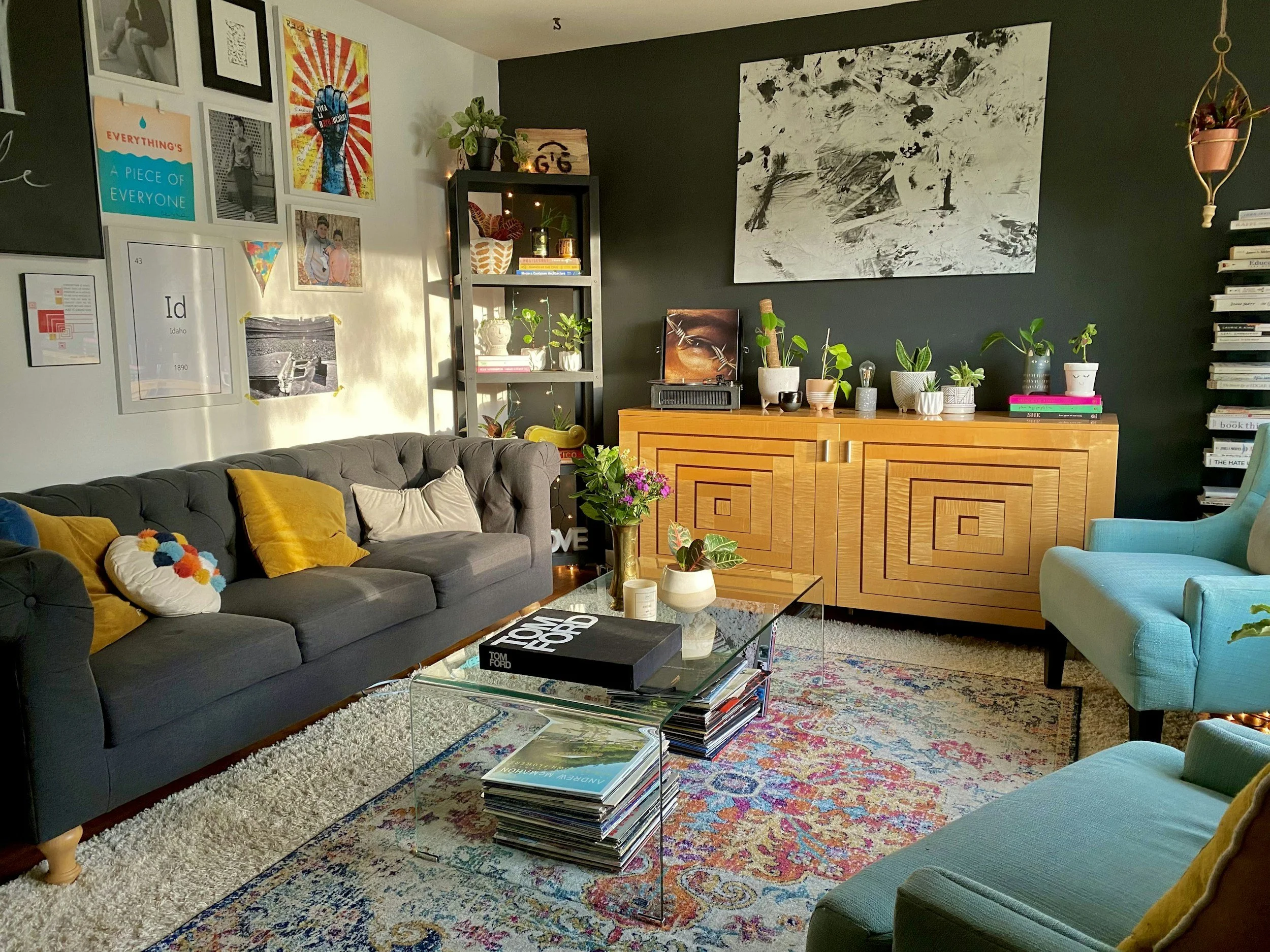
Photo by LeeAnn Cline via Unsplash
One of the biggest reasons paint decisions feel stressful is that they’re often made room by room, without thinking about how the colours will flow through the rest of the home. A shade that looks lovely in one room can still feel disconnected once you start moving from space to space.
Whole-house colour planning looks at your home as one connected space, not a collection of separate rooms. Instead of choosing one paint colour at a time, you’re choosing a small group of colours that are designed to work together, repeat in different ways, and create a sense of calm and consistency throughout the home. This approach helps with:
Better flow between rooms
Fewer clashes between warm and cool tones
Less decision fatigue as you move from space to space
More confidence once you start painting
It also gives you flexibility. When you know your colours are part of a coordinated palette, you can shift where you use them (lighter here, deeper there) without worrying that something will suddenly feel out of place.
Most importantly, whole-house planning takes the pressure off each individual colour. Instead of asking one shade to do all the work, you’re letting a small, well-balanced palette support your home as a whole.
————
Choosing paint colours doesn’t have to feel overwhelming or full of second-guessing. When you start with the elements that matter most (your finishes, furniture, and the overall feel you want for your home), paint becomes much easier to choose and far more likely to look right long term. Instead of asking one colour to do all the work, you’re letting paint support the bigger picture. And that’s usually when homes start to feel more cohesive, more intentional, and much calmer to live in.
If you’d prefer not to build a colour scheme from scratch, my whole-house colour palettes are created using this exact approach. Each palette includes coordinating wall colours, accents, and trim that already work together, so you can decorate with confidence and avoid the trial-and-error stage completely.
They’re designed for real homes, real lighting, and real life, whether you’re repainting one room or refreshing your entire home.
Thank you for reading, and happy decorating!
Manon xx